
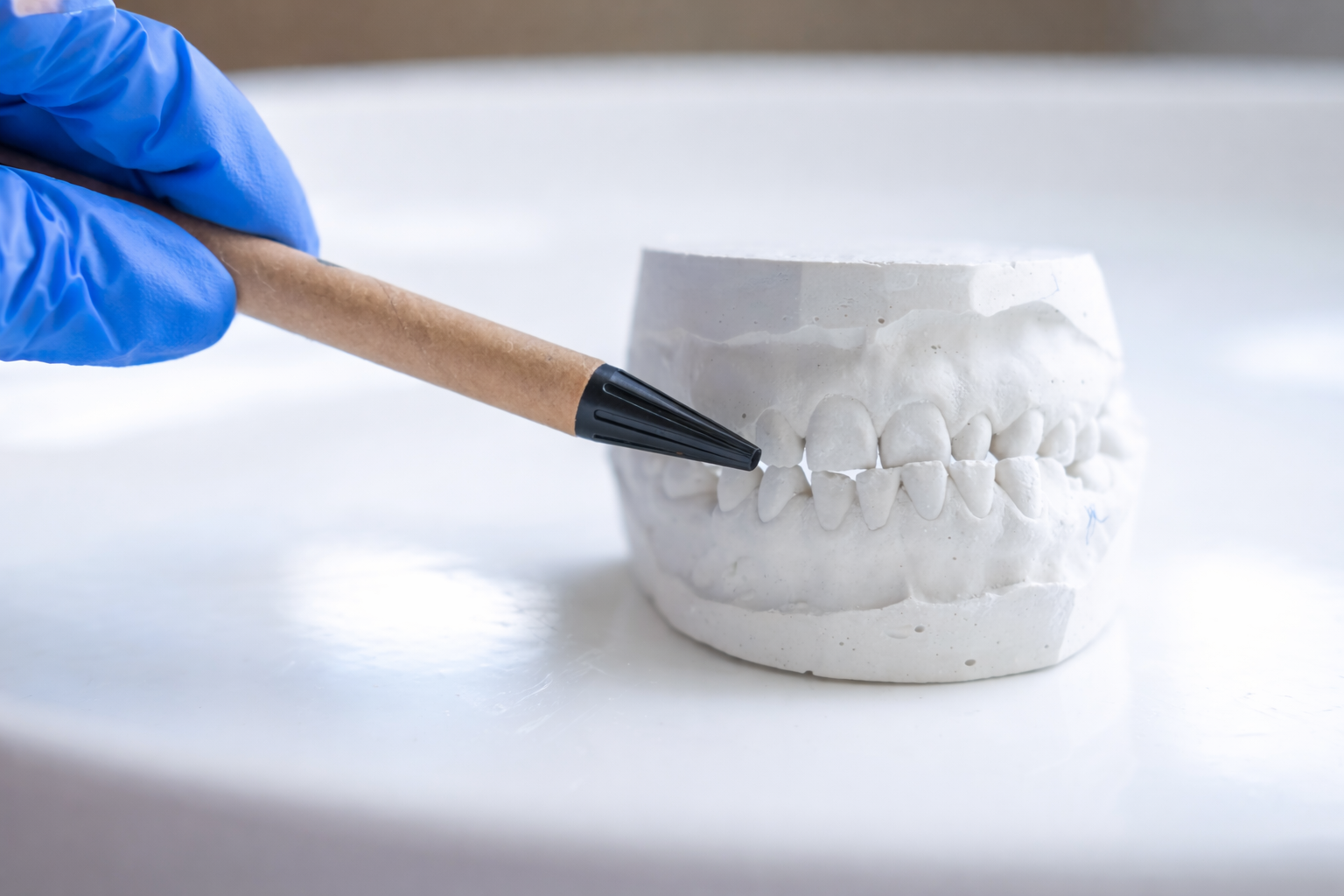
Jaw and bite problems are very common and can affect not only the appearance of a smile but also overall health. To understand when orthodontic treatment is necessary, it is important to know the main types of malocclusion.
The 5 Main Types of Malocclusion
Distal bite (overjet)
The upper jaw is positioned ahead of the lower jaw. Patients often have protruding upper teeth.
Mesial bite (underbite)
The opposite situation, when the lower jaw is positioned ahead of the upper jaw. The lower chin appears more prominent.
Open bite
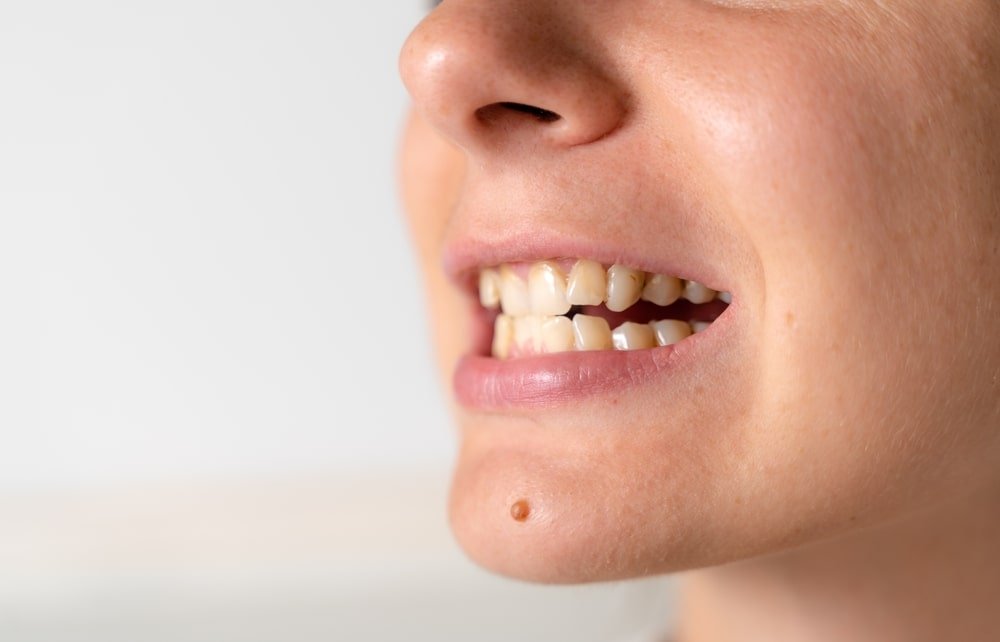
There is a complete or partial lack of contact between the upper and lower teeth. When the mouth is closed, some teeth do not touch.
Deep bite
The upper teeth almost completely cover the lower teeth. This can lead to damage of the lower teeth.
Crossbite
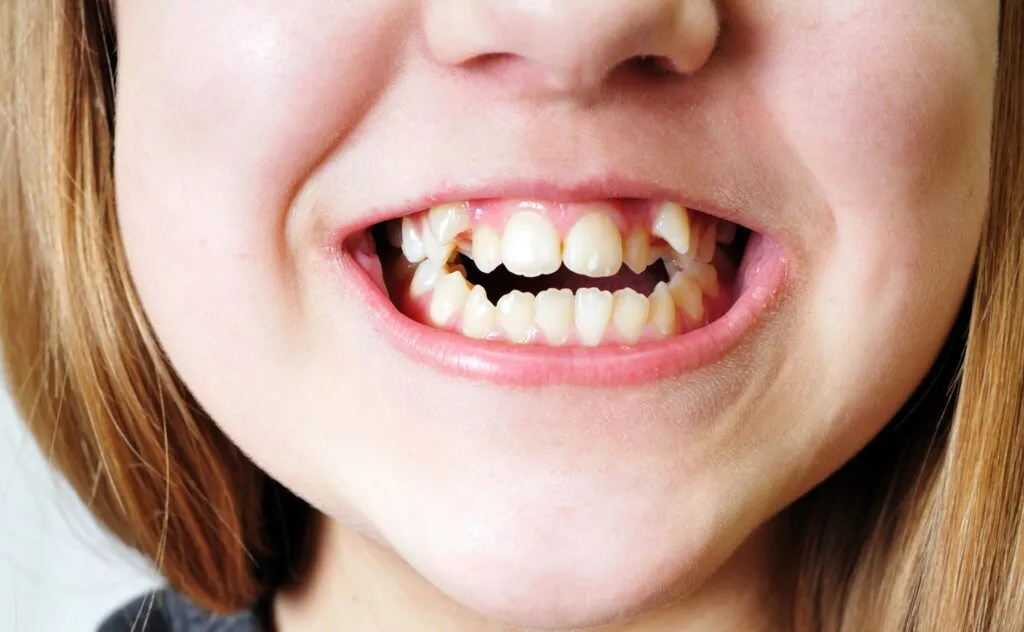
A misalignment between the upper and lower teeth, often caused by asymmetrical jaw development.
Best Time for Treatment
Early diagnosis is the key to successful treatment.
The timing of treatment depends on the type of problem.
- When the issue involves jaw growth disturbances, treatment should begin as early as age 4–5. An orthodontist should be consulted immediately.
- At ages 10–12, more complex treatments can be started when mixed dentition is present.
- After age 12, once all permanent teeth have erupted, treatment with braces can begin.
Why Correcting the Bite is Important
Functional problems
- Difficulty chewing: improper bite interferes with normal food chewing.
- Breathing issues: in some cases, malocclusion affects breathing.
- Joint pain: jaw joint disorders and headaches may develop.
Hygiene consequences
- Crowded teeth make cleaning more difficult.
- Higher risk of periodontal disease and premature tooth loss.
- Overloaded teeth: some teeth bear more stress than others.
Aesthetic and psychological effects
- Lack of confidence when smiling: people often try to hide their teeth.
- Difficulty communicating: may affect social interactions.
- Reduced self-esteem and well-being.
Treatment Options
Braces
- Metal braces: the most common and effective option.
- Ceramic braces: less visible, chosen for aesthetic reasons.
- Lingual braces: attached to the inner side of teeth, making them invisible.
Aligners (clear trays)
- Designed using 3D modeling.
- Invisible and comfortable.
- Easier to maintain oral hygiene.
- Can replace braces in about 80–90% of cases.
Retention phase
After treatment, retainers must be worn to preserve results.
Types of malocclusion are not always clearly defined. Any suspected bite problem should be examined by an orthodontist. Early diagnosis and timely treatment ensure the best results and a shorter treatment period.
